In recognition of the wonderful work the faculty and staff in the College of Natural and Applied Sciences complete each year, we host an annual awards ceremony. The recipients are nominated by their peers or department heads and selected by a faculty committee.
Faculty and Staff Awards
Awards are given in the following categories:
- The Atwood Research and Teaching Award, funded by Jerry Atwood
- CNAS Faculty Excellence in Teaching
- CNAS Faculty Excellence in Research
- CNAS Faculty Excellence in Service
- CNAS Instructor Excellence in Service
- CNAS Staff and Administrative Excellence Award
- CNAS Faculty Excellence - Student Selected and Awarded
- CNAS Inclusive Engagement Award
- CNAS Excellence in Interdisciplinary Research
Thank you for all that you do!
The CNAS Faculty and Staff Awards policy can be found on the CNAS College Policies page.
2026 recipients
In 2026 CNAS is recognizing outstanding faculty and staff for the 15th straight year. The award winners were nominated by departmental personnel committees, department heads, or students. The nominations were then reviewed by a faculty committee for the faculty/staff awards and a student committee for the student nominated award. The award winners receive a certificate and a small monetary award.
Atwood Research and Teaching Award
The Atwood Research and Teaching Award was endowed by Dr. Jerry Atwood a 1964 graduate of MSU and now an internationally known chemist. He started his career at University of Alabama in 1967 and was the department head at University of Missouri-Columbia from 1994-2016. In addition, he was appointed a Curators Professor starting in 1999. The award winner receives a certificate and $5000 to be spent over the next year on students, research supplies, summer salary or travel. Previous award winners include: John Havel (2012, BIO), Day Ligon (2013, BIO), Bob Pavlowsky (2014, GGP), Paul Durham (2015, BIO), Nick Gerasimchuk (2016, CHM), Bob Mayanovic (2017, PAMS), Kyoungtae Kim (2018, BIO), Kartik Ghosh (2019, PAMS), Kevin Mickus (2020, GGP), Razib Iqbal (2021, CSC), Steven Senger (2022, MTH), Deb Finn (2023, BIO), Tayo Obafemi-Ajayi (2024, EGR/CSC), and Songfeng Zheng (2025, MTH).
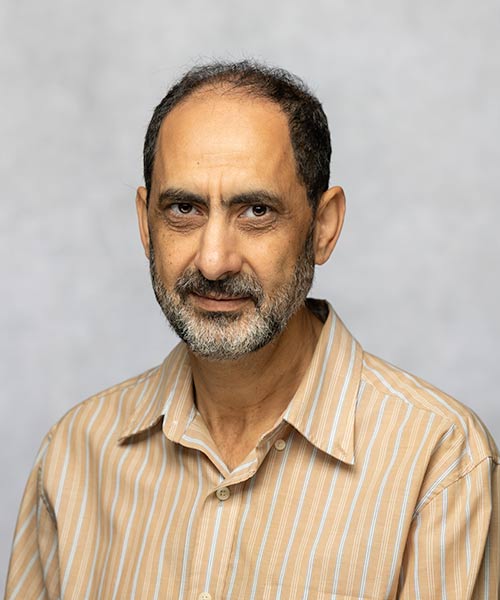
The 2026 recipient of the Atwood Research and Teaching Award is Dr. Jamil Saquer from the Computer Science Department.
Dr. Saquer’s scholarly output has been prolific in recent years, with 26 peer-reviewed publications since 2020. That’s 6 journal articles, 14 international conference papers, and 6 regional conference papers – all peer reviewed, with one additional paper currently under review. His students’ work under his mentorship earned a Best Paper Award (2nd Place) at the 37th International Conference on Software Engineering and Knowledge Engineering (SEKE 2025) in Pompeii, Italy. His research spans text mining and natural language processing for social good, computer science education, and graph databases. He is dedicated to mentoring students at both the graduate and undergraduate levels. He is actively involved in curriculum development, including chairing the committee that created the interdisciplinary Data Science major, demonstrate his sustained commitment to positively influencing student lives at MSU. Jamil has taught 9 distinct courses during his career at MSU: CSC 735 (Data Analytics), CSC 535/635 (Data Mining), CSC 335/612 (Database Management Systems), CSC 365 (Internet Programming), CSC 325 (Algorithms), CSC 330 (Introduction to Data Science), CSC 232 (Data Structures), CSC 131 (Computational Thinking), and CSC 101 (Computers for Learning). And since computer science is changing daily – his course updates happen on a regular basis.
CNAS Excellence Awards for Staff
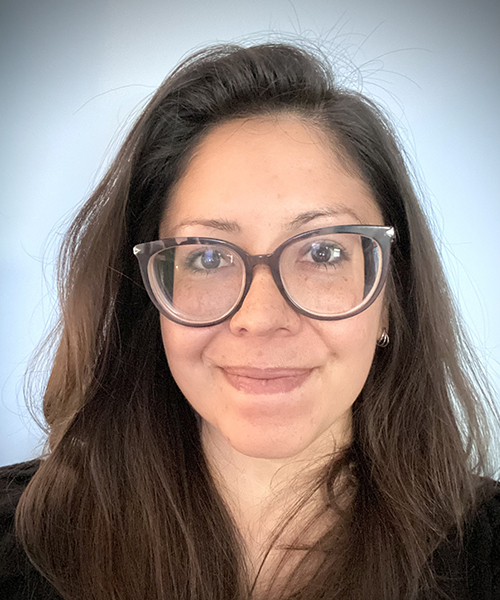
Rachel Heth – Rachel is very detail oriented and organized in her tasks. She has quickly picked up how to accomplish the administrative duties assigned to her and is always willing to assist faculty and staff with finding answers to questions. She takes on tasks without having to be asked to do them.
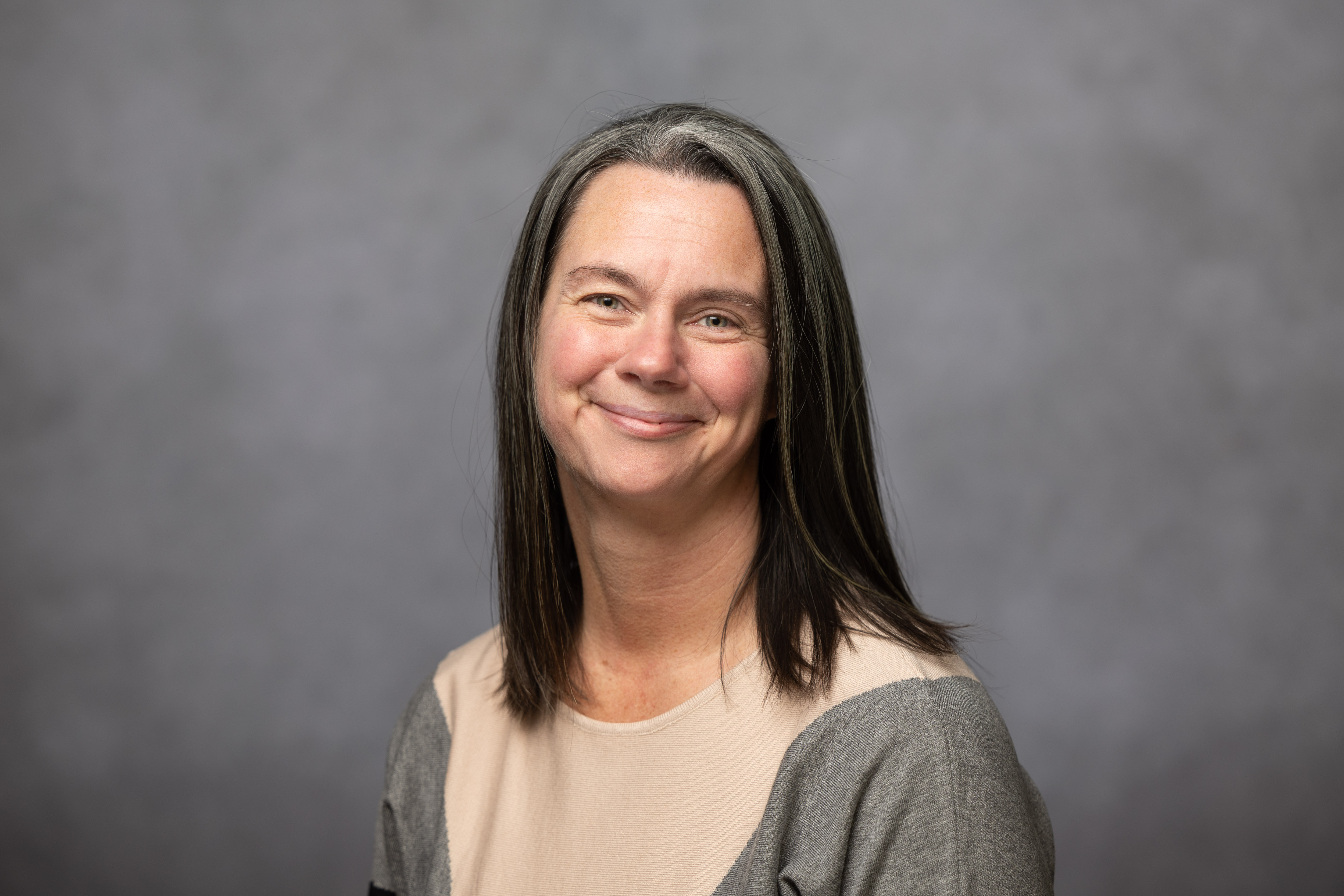
Shannon Matthews - Shannon has grown into a reliable worker who has solved almost every problem and challenge in the time allotted, with a very creative and strategic approach to dealing with the problems that already exist and the many new ones that arise every day. For the last two years, she has been the go-to person for all communication regarding office and teaching, and research lab moves during Phase I construction and Phase II renovations. Without her, coordinating all of those moves would have been more difficult.
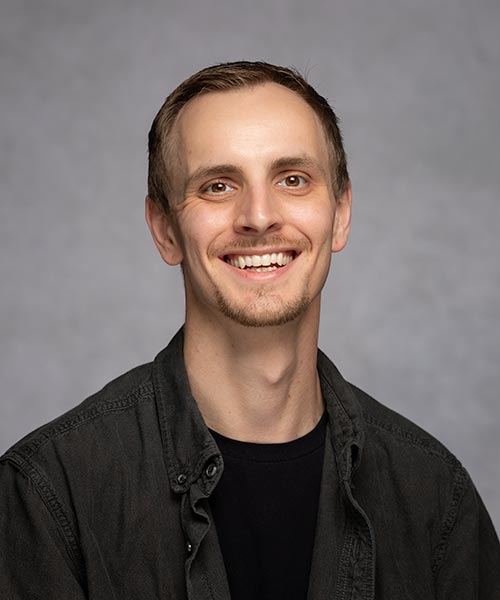
Michael West - He has displayed strong knowledge of many of the tools and facilities available in the cooperative engineering program and has put that knowledge to good use in assisting faculty and students with their group projects. In particular, he has contributed a key role to the Formula SAE team advised by Dr. Ryan Hutcheson, and several senior design and independent research projects led by Dr. Daniel Moreno. He has also shown himself to be a natural educator; while not in a formal teaching position, he displays a passion for training students on equipment and providing innovative suggestions on their work based on his expertise.
CNAS Faculty Excellence in Service Awards
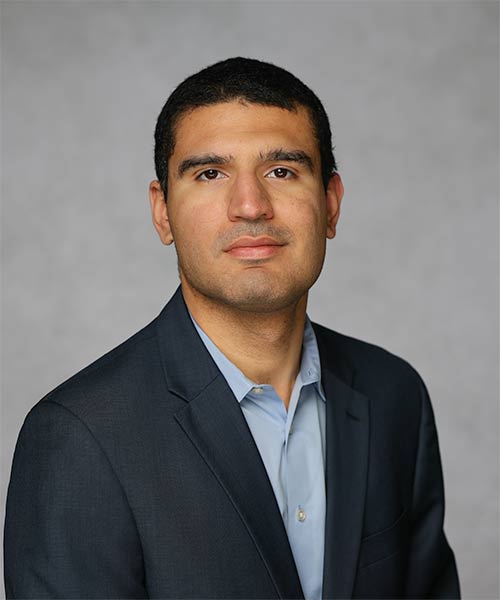
Daniel Moreno – Daniel serves as the faculty advisor to the student chapter of ASME in the Cooperative Engineering Program. He has participated in recruitment tours for prospective engineering students. He was the organizer of the MOCAP (Missouri Center for Advanced Power) 2026 meeting held in Springfield, MO. Outside the University, he has been actively involved in reviewing journal articles in the field of engineering and contributing to various ASME activities.
Les Reid - Les served as the search committee chair this spring, which led to a successful hire. Each year, he also reminds faculty members about—and collects contributions for—the Administrative Professionals’ Day celebrations. He organizes MAKO undergraduate research conference, KME mathematical honor society, and the Problem-Solving Group. He also plays a key role in ensuring that the Pummill Math Relays high school math contest run smoothly; for example, he either personally double-checks contest problems or identifies appropriate faculty members to verify the accuracy of the answers. He also maintained the poster board in the old Cheek Hall hallway.
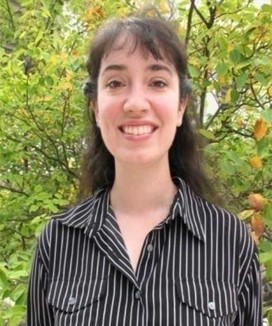
Tara Herring – Tara went above and beyond expectations over the summer months to ensure that all classrooms were going to be available for the fall semester. She spent countless hours sorting, moving, and organizing equipment and supplies. We owe a big thanks to Tara for getting our department and classrooms ready for our students.
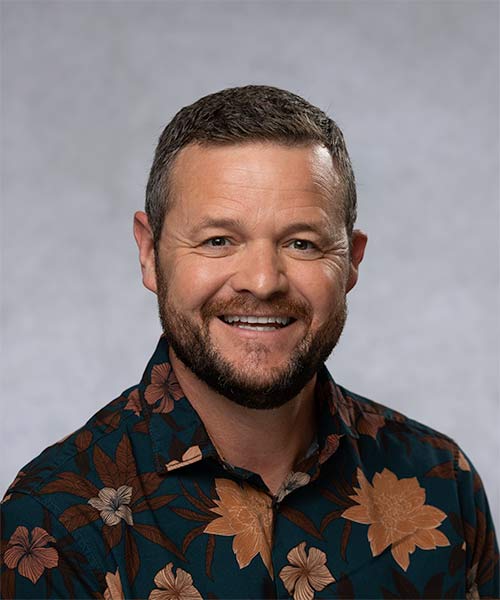
Damon Bassett - Damon is SEES’s Faculty Senate representative. He actively participates in the Missouri Academy of Sciences, serving as local arrangements chair for the 2026 Annual Meeting of the Missouri Academy of Science. He also helps with Science Olympiad and works as a judge for various events including the Willard Regional Drone Competition. For the latter, he obtained a license as a remote pilot from the Federal Aviation Administration. He also gives presentations on rocks and minerals to schools.
CNAS Faculty Excellence in Research Awards
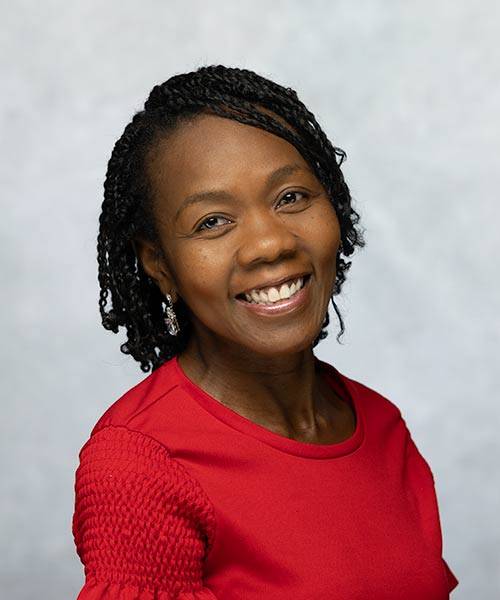
Tayo Obafemi-Ajayi - Since 2024, Dr. Tayo Obafemi-Ajayi has published 11 peer-reviewed journal articles and 15 conference papers as well as two Guest Editorials for Special Issues in the prestigious IEEE Journal of Biomedical and Health Informatics. Her research consistently involves students, as reflected in the co-authored publications with MSU students, one of which was award Best Paper Award at the IEEE Conference on Computational Intelligence in Bioinformatics and Computational Biology (CIBCB) in 2024. Dr. Obafemi-Ajayi actively pursues external funding. In 2025, she obtained funding, as a single PI, with the Department of Defense (DOD) Congressionally Directed Medical Research Programs (CDMRP) translational research grant for $999,994.
Avery Russell – Over that last two years Avery has published 7 peer-reviewed journal articles, with two additional manuscripts in review. Of these articles and manuscripts, 6 have undergraduate or Master’s students as co-authors, including 4 with Master’s students as first author. His work has been been cited nearly 400 times. He received $63,902 in external funding (a United States Department of Agriculture grant and a Wayne State University collaboration).
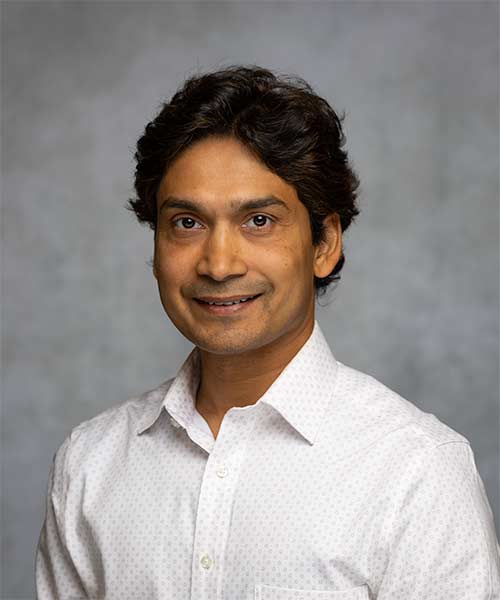
Santimukul Santra - In last two years, 1 MS student graduated with thesis, and currently, Sanit is mentoring 7 MS students. He is also mentoring 7 UG research students 2 high school students. He has hired 3 full time research associates for accelerating lab research. Santi currently has over $1,058,500.00 of research funding from USDA-NIFA, NIH and ACS PRF. In the last two years he published 5 peer-reviewed journal with two currently under review.
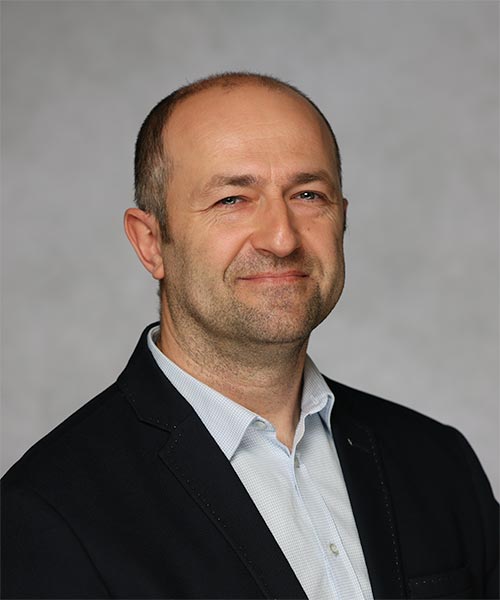
Andy Baran - His research work at MSU focuses on Asteroseismology of evolved stars, binary star interactions and evolution, and exoplanets. He secured funding (as Co-PI) from NSF $714,000 in 2025. This represents a significant addition to the department’s research funding and will support both students and Dr. Baran in a major research effort on the cores of horizontal branch stars. He was also awarded a grant of $11,655 from NASA Missouri Space Grant and he published 10 research articles in peer-reviewed journals since joining MSU in 2023.
CNAS Faculty Excellence in Teaching Awards
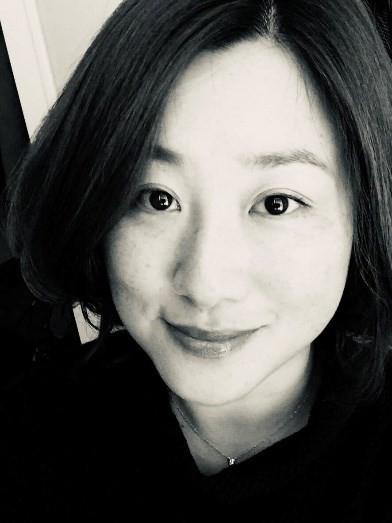
Fan Zhou - She works diligently and is highly regarded by her students. She is academically strong as a mathematics instructor and frequently collaborates with faculty members to discuss effective and innovative ways to present mathematical material.
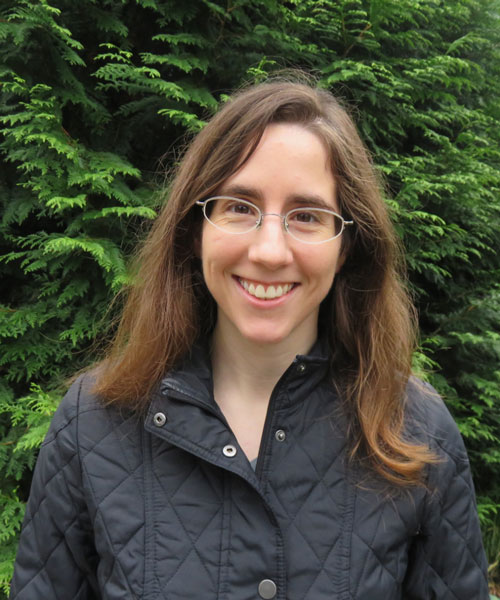
Sarah Morrison - She has taught introductory and upper-level undergraduate courses in astronomy and astrophysics, graduate-level astronomy and astrophysics courses, a lower-level computational physics course, as well as a senior/graduate-level course in computational methods and data analytics. She is consistently well prepared for her lectures and provides highly organized content in her classes. In addition she has mentored 23 undergraduate students in research projects.
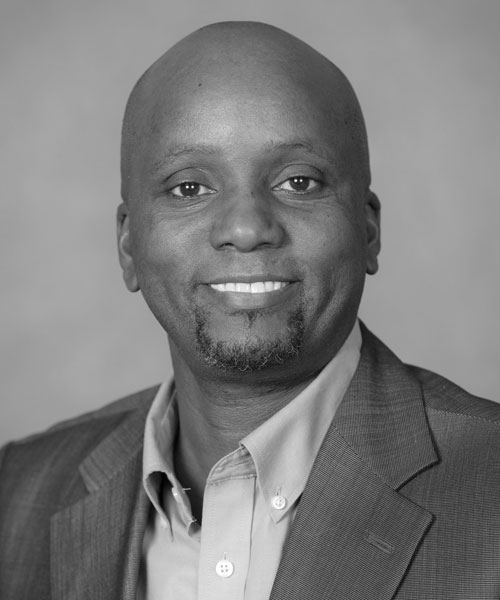
Bernard Kitheka - Bernard Kitheka excels in his teaching by applying various approaches. One is his friendly rapport with students and colleagues, and the other is the incorporation of topics of interest (sustainability, conservation, cultural competence) to MSU and SEES students. He integrates interdisciplinary topics in ecotourism and wildlife management with his courses, a most attractive topic to students and a must in conservation and sustainability efforts.
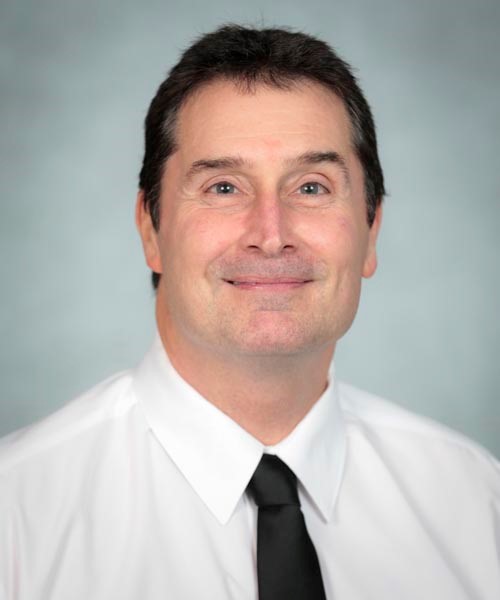
Paul Durham - He teaches Developmental Biology and Epigenetics in the spring and Honors BIO121 and Diabetes. He constantly updates his course content to create better learning environments by implementing discussion topics of real-world examples and student-led journal article presentations. With 24 years of academic advising experience, his unwavering enthusiasm for 20-30 student advisees in the pre-med track and micro/biotech program is one of our assets in student advising.
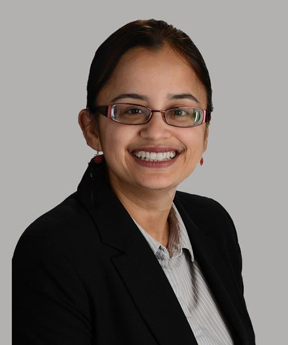
Tuhina Banerjee – Tuhina teaches biochemistry courses. She focuses on student success in each course – no matter the level. She has mentored nearly 20 research students – high school students, undergraduate students and graduate students.
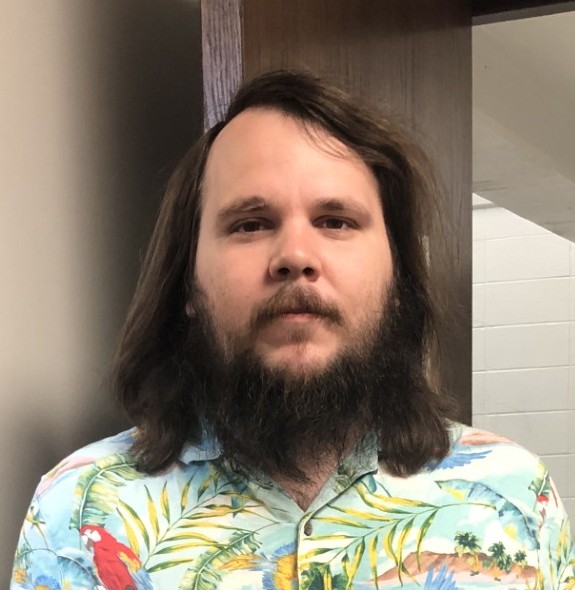
Devon Romine - Devon’s teaching performance has been very strong. He is tasked with teaching several introductory physics courses, including PHY 101, PHY 123, PHY 124, PHY 131, and PHY 203. The evaluation comments written by students have been generally positive. Students noted that his courses are well organized and that the materials and lectures are clearly presented. They also commented that his grading is fair and that he is consistently available to provide help outside of the classroom.
CNAS Student-Nominated Awards for Excellence - Faculty & Staff
In the words of the students, these faculty truly understand the power of knowledge and they are always willing to help. They provide a learning environment and support where every student has the potential to succeed. The winners of the student nominated award for faculty excellence are:
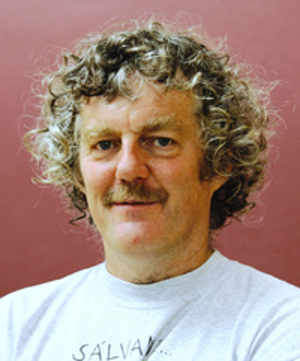
Kevin Mickus – a group of students nominated Kevin to recognize his excellent teaching, mentorship, advising, and research guidance. For over thirty years, Dr. Mickus has built a classroom and mentoring environment where understanding and honesty matter more than authority or speed. This mindset shapes how he teaches, admits mistakes, and helps students become independent thinkers. Another student said “I would not have been able to successfully complete my thesis without his guidance and support. He is humble, highly intelligent, and consistently respectful in his interactions, never speaking down to others. He is candid when he does not know an answer and fosters an environment of openness and intellectual honesty. Dr. Mickus is approachable and supportive of continued research collaboration with students even after graduation. He remains open to new ideas, information and collaborative opportunities with researchers from diverse backgrounds.”
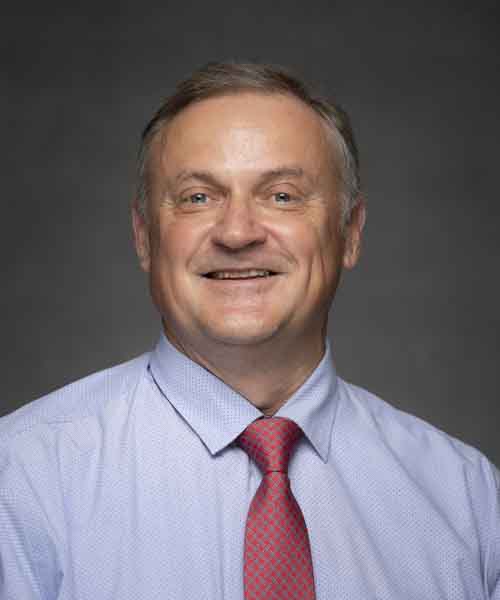
Nick Gerasimchuk - The students who nominated him said “He consistently does more than a supervisor should do. He has created a laboratory environment with ethical leadership, cultural competence, and community engagement. He took the time to teach us to think like scientists by reading past and recent publications and explaining what to do when troubleshooting. He taught us how to manage the project on our own, and one thing he said when we had numerous unsuccessful experiments that we do remember, he said, "Each time you fail, you learned, and that was not a failure, that was another way not to synthesize a desired compound".
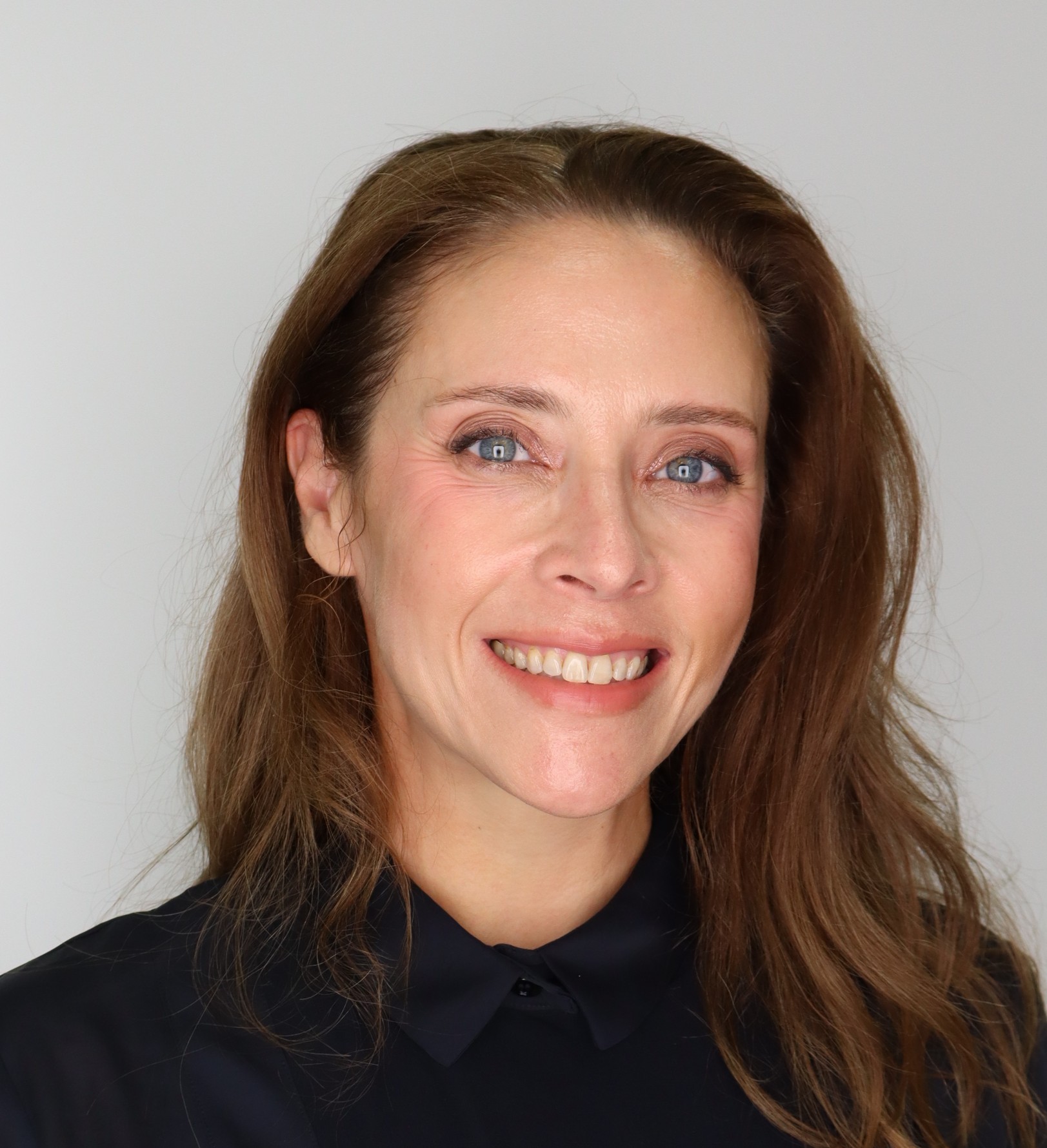
Lydia Tackett - Her nominator said ‘Her teaching is great, due to her format of lecture and specimen examples, something important in sedimentary geology. Often in geology, the real world is very convoluted and involves multiple processes classrooms tend to isolate. Dr. Tackett’s skill to explain and de-complicate scenarios to be helpful to students’ ability to interpret real-world examples is incredible. She not only teaches us about the current subject in a simple manner but then puts these basic principles into context with real world scenarios. Dr. Tackett makes sure we are developing proactive skills that we will use in future classes and careers.”
CNAS Inclusive Engagement Award
Just a reminder that this award may fit into teaching, research or service as defined in the policy. It is to recognize outstanding committee work towards diversity, outstanding service and outreach towards equity, diversity and inclusion, recruitment for diversity, promoting an inclusive learning environment, official or unofficial mentoring and advisement of diverse student groups to increase academic success, creating an inclusive environment for teaching and research and/or development or implementation of innovative research or creative work to improve the CNAS and MSU climate.
CNAS Interdisciplinary Research Award
The newest CNAS Award is the CNAS Interdisciplinary Research Award. This award is meant to recognize individuals involved in collaborative research efforts, where results reflect integration of ideas or knowledge from two or more disciplines, or for individuals who have shown leadership in promoting interdisciplinary research.
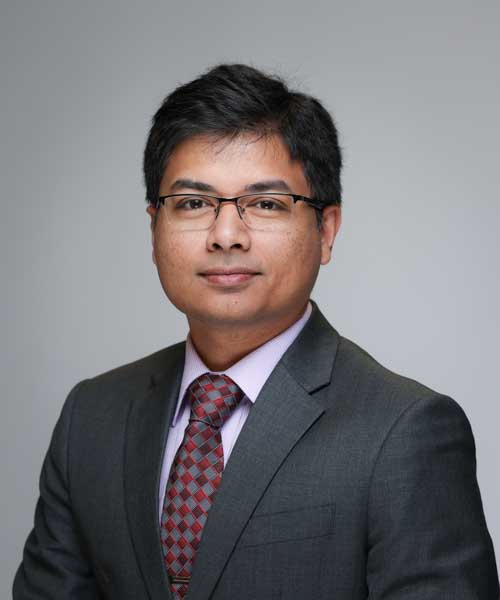
Razib Iqbal - Razib’s work consistently reaches beyond disciplinary boundaries in meaningful and impactful ways. One of his most significant and longstanding interdisciplinary partnerships is with Dr. Keiichi Yoshimatsu in Chemistry. Their joint research on analyzing Fourier-transform infrared (FTIR) spectra has resulted in multiple high-quality publications and two U.S. patents awarded in 2023 and 2025. More recently, Dr. Iqbal has extended his interdisciplinary reach into geospatial and environmental research through collaboration with Dr. Tasnuba Jerin. Their work on automated river width extraction from satellite imagery addresses a longstanding challenge in hydrology—replacing labor-intensive field measurements with scalable, data-driven methods. Their 2026 publication in IEEE Access introduces a novel transformer-based framework that achieves high accuracy while remaining computationally efficient, demonstrating strong potential for real-world applications in water resource management and environmental monitoring.